Read by stage, not by hype
If you are new, start with mindset and money basics. If you already have control, move into investing and wealth systems.
Use this shelf to find the right finance books for the stage you are in. The books are grouped by topic, include author names and covers, and follow a simple reading path so you can move from confusion to clarity and action.
Do not buy books just to feel productive. Use them to build better money habits, clearer thinking, stronger investing behavior, and better long-term ownership decisions.
If you are new, start with mindset and money basics. If you already have control, move into investing and wealth systems.
Write down three ideas you will actually use. One applied idea is worth more than a shelf full of unread books.
Books alone do not create wealth. Consistent investing, better income, lower waste, and ownership do.
Books written for this publication by Vallabh Sakhare. Free to read for our readers during the initial phase — no signup, no paywall, just the PDF.

The first book in the PipChat! Wealth series. Ground-floor thinking on money, work, and ownership that every reader should settle before chasing returns, brands, or hustles.
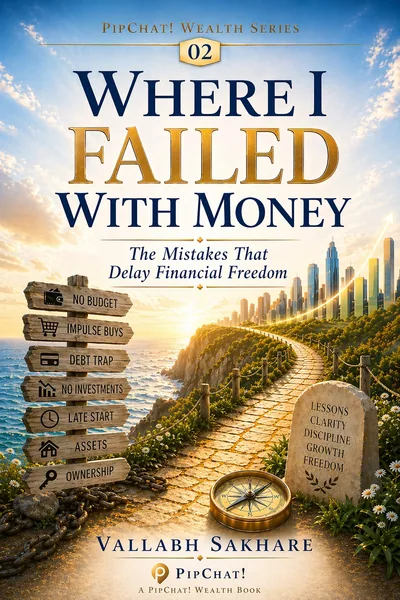
The second book in the PipChat! Wealth series. An honest account of real money mistakes and what they teach — written so readers can skip the slow, expensive detours.
These books help readers question old beliefs about money, work, status, and ownership. This is the right place to start if you want a cleaner mental model before getting more practical.
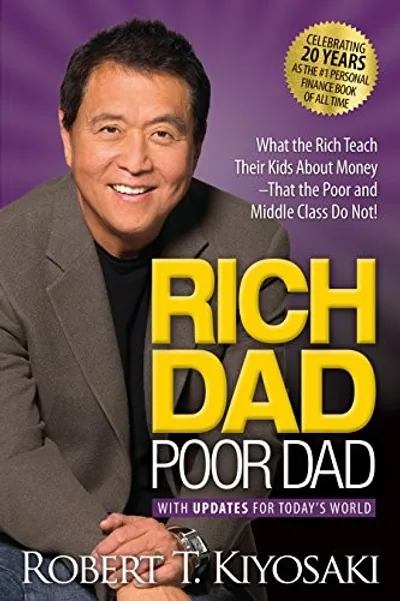
A mindset-opening book for beginners who need to start thinking about assets, cash flow, and financial independence instead of salary alone.
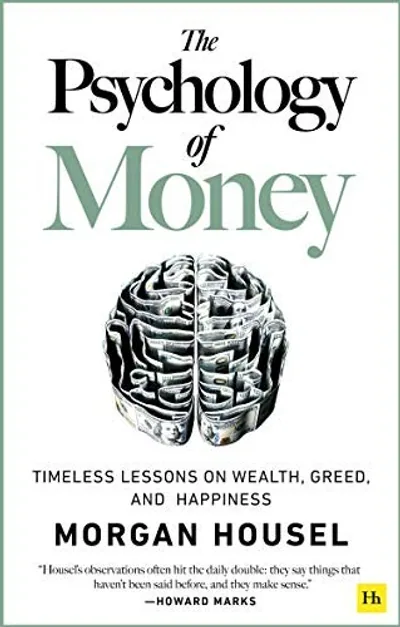
One of the best books for understanding how behavior, patience, risk, and emotion influence real financial outcomes.

A classic mindset book that leans heavily into ambition, belief, and persistence before the numbers side of finance.
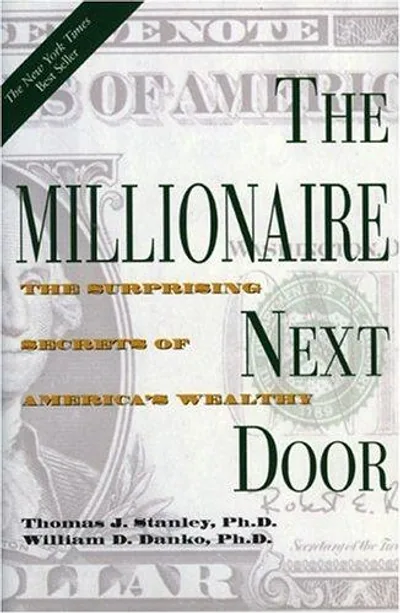
A useful reality check on how wealth often looks boring, disciplined, and hidden rather than flashy and obvious.
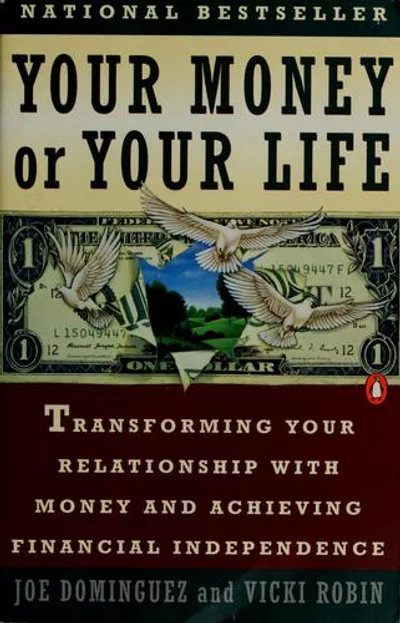
This book helps readers connect money to life energy, consumption, and the bigger purpose behind financial independence.
These books are more practical. They help readers handle spending, saving, investing, debt, and money routines with less confusion and more discipline.
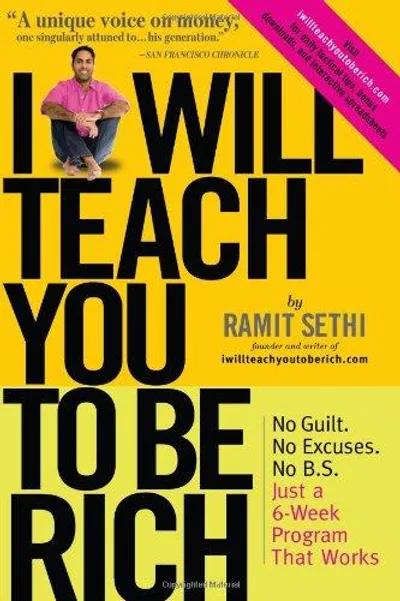
A modern practical guide that helps readers automate money decisions and build a working personal finance system.

An easy starting point for timeless rules around saving, discipline, and paying yourself first.
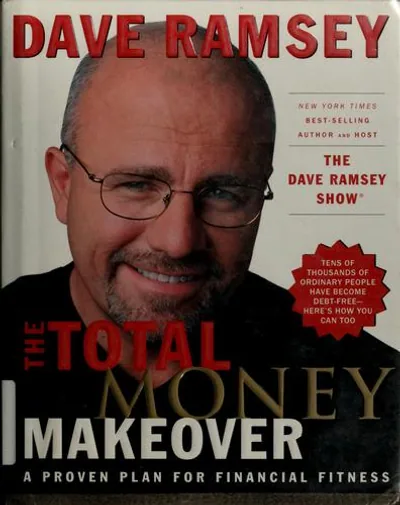
Strong on getting out of financial chaos, removing bad debt, and building better money habits from a clean base.
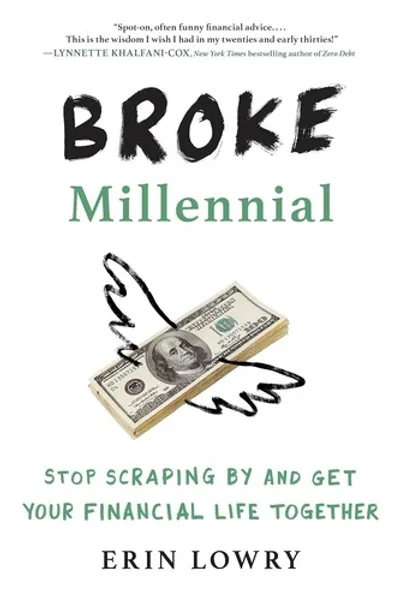
Good for younger readers who want simple guidance on money habits without old-school finance jargon.
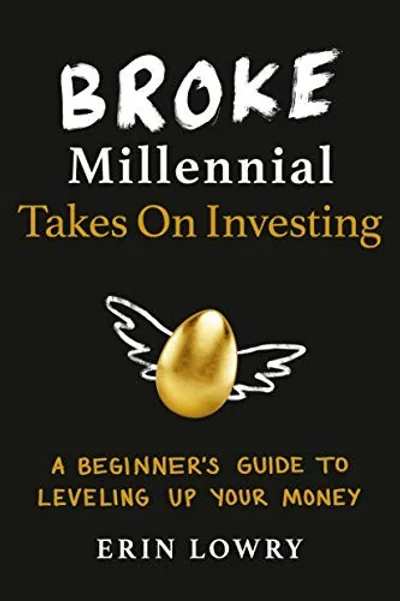
A beginner-friendly bridge between basic finance and investing for people who still feel intimidated by markets.
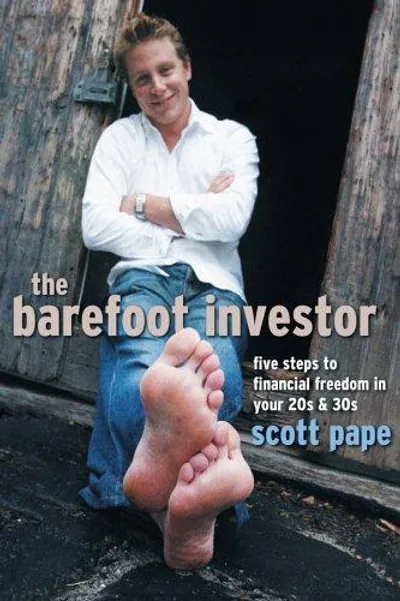
A practical no-drama guide to structuring money simply and turning chaos into a steady financial routine.
These are the books for readers who want to understand compounding, index investing, stock selection, market behavior, and the long game of building capital.
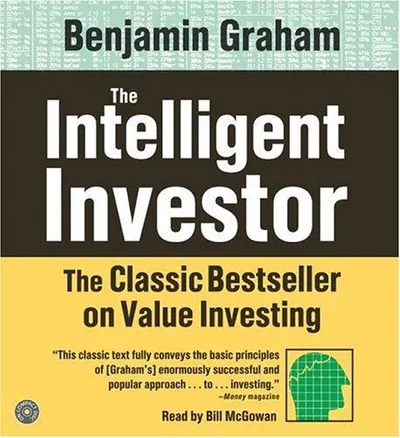
A classic that teaches patience, discipline, and the difference between investing and speculation.
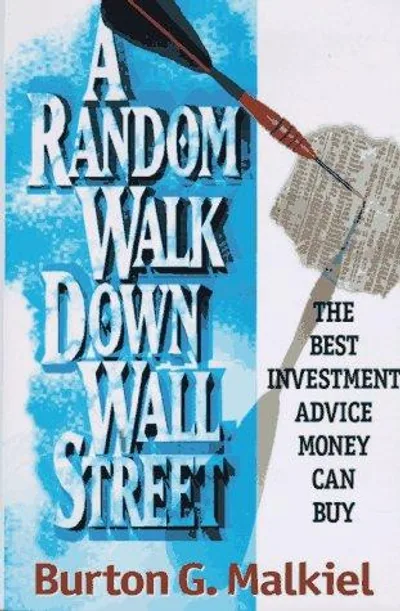
A strong case for long-term investing discipline and why simple diversified strategies often beat complexity.
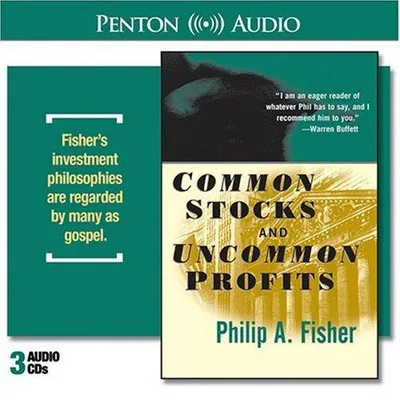
Useful for learning how great businesses are judged beyond short-term price movement.
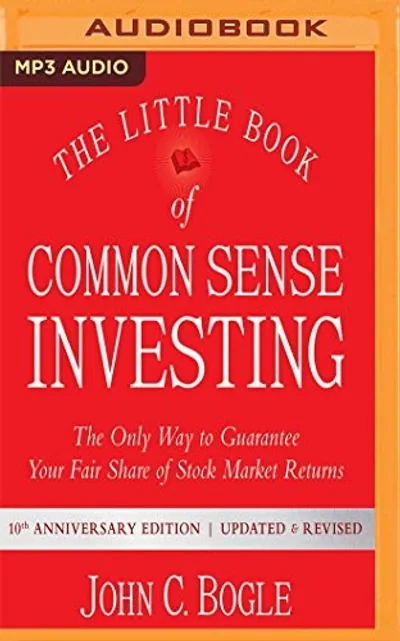
A simple and powerful entry point for index fund thinking and long-term wealth compounding.

Useful for readers who want to understand how everyday observation can connect to sensible investing research.
These books help readers move from earning-only thinking to freedom thinking: systems, leverage, independence, and the long-term structure of a life with more choice.

A mindset-expanding book about redesigning work, using leverage, and not accepting the default life script.
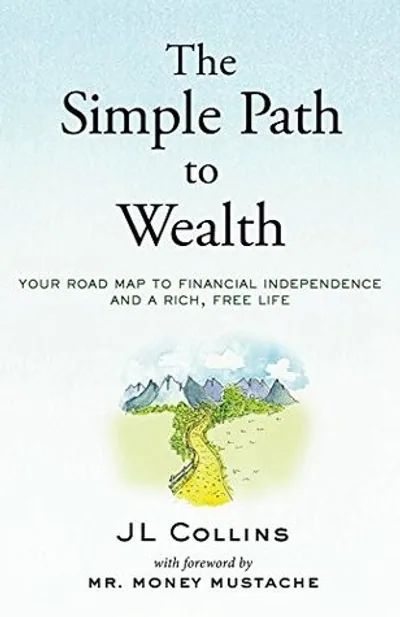
One of the clearest books for readers who want a direct, low-noise path toward financial independence.
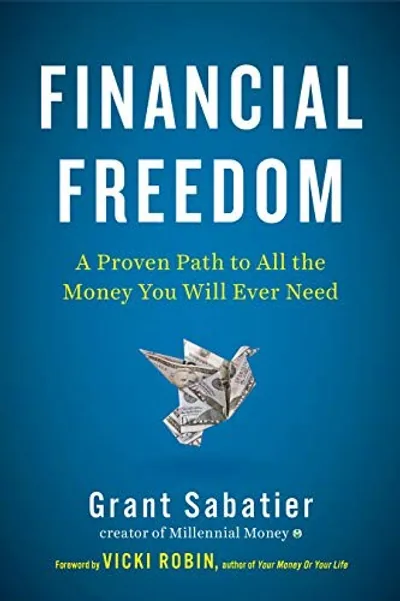
Good for people who want an action-driven view of accelerating the path from earning to financial independence.
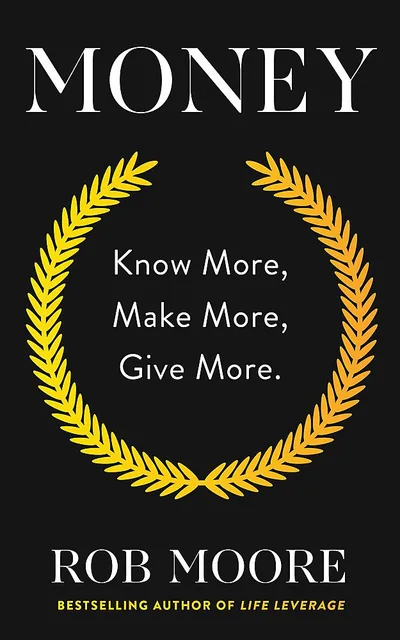
Useful for readers who want a broader wealth lens: how to understand money better, earn more intentionally, and think beyond consumption alone.
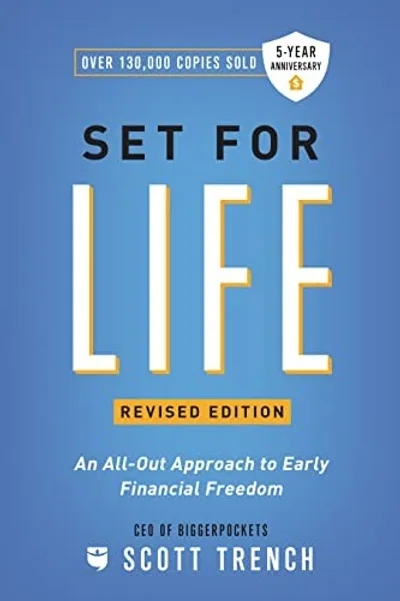
A practical book for people who want a step-by-step wealth-building system from the early working years onward.
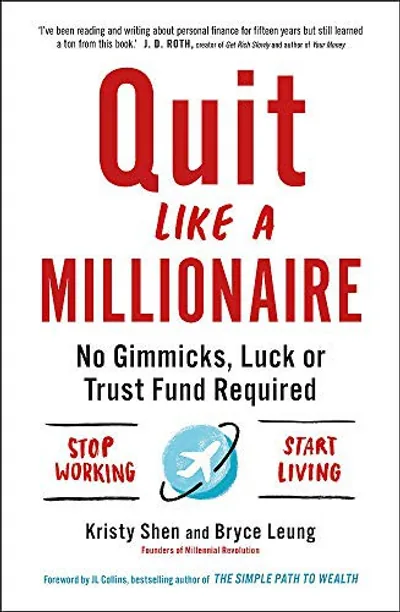
Useful for readers who want to understand financial independence through simple math, discipline, and life design.
These books are better once readers already understand the basics. They add broader thinking about decision-making, leverage, capital allocation, and long-term wealth behavior.
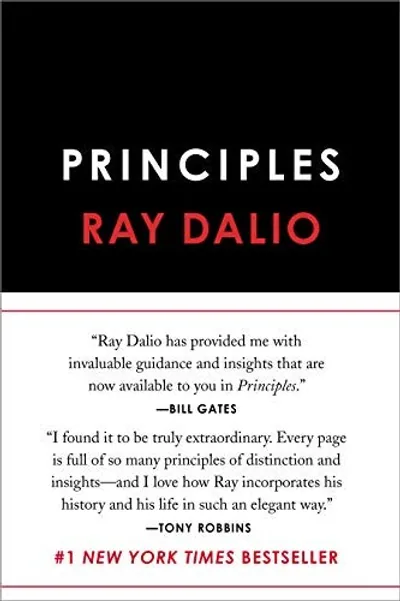
A book about building better judgment, better decision systems, and clearer thinking under pressure.
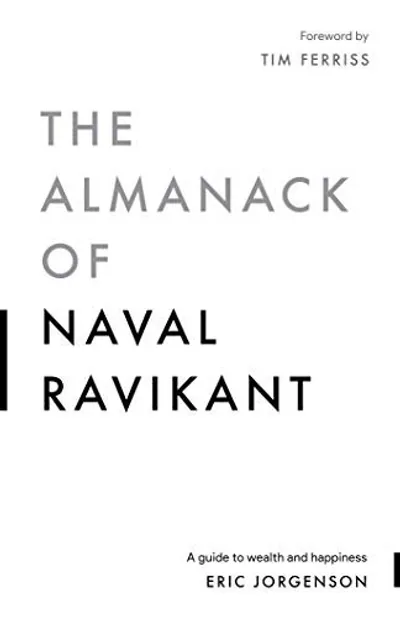
A modern favorite for thinking about leverage, specific knowledge, judgment, and wealth beyond status games.
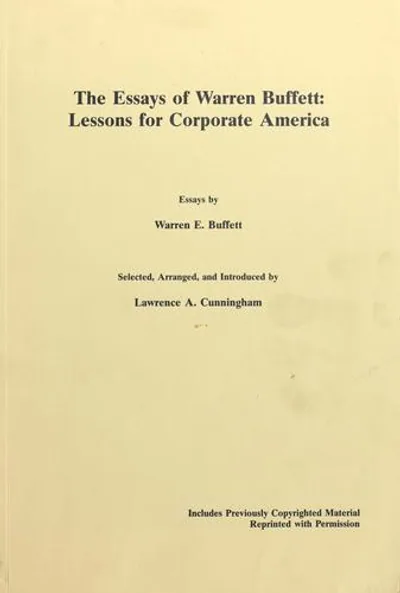
A deeper read for understanding business quality, capital allocation, and long-term investing judgment.
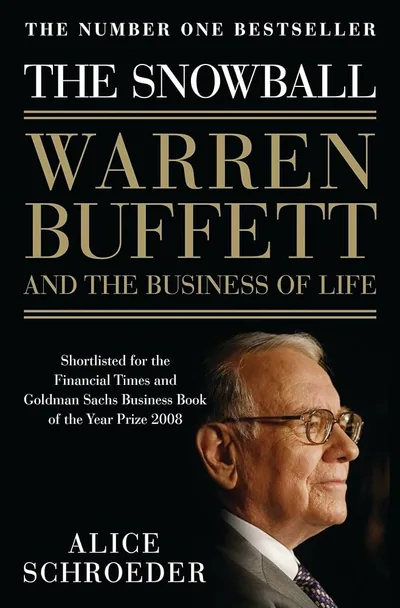
A biography that gives context to compounding, temperament, and the long arc of serious capital-building.
Do not jump around. Follow a simple path so each book builds on the last one and helps you move from mindset to money control to investing to wealth systems.
Use these first to challenge old assumptions about salary, behavior, risk, and what money is really for.
These help you build financial control, automate better decisions, and stop leaking money.
These help you understand basic investing logic, long-term thinking, and how markets reward patience.
These widen the picture and push you toward better systems, leverage, ownership, and long-term optionality.